
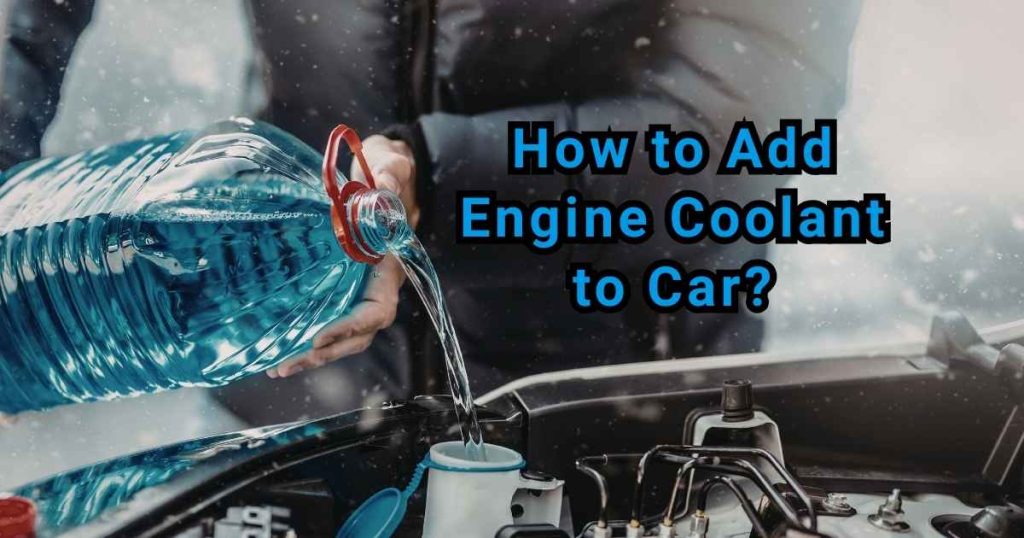
If you have a car, you must know how important it is to maintain it properly. One of the essential maintenance tasks for your car is adding engine coolant. Engine coolant, also known as antifreeze, helps regulate the temperature of your car’s engine and prevents it from overheating.
In this guide, we will discuss how to add engine coolant to car in a few simple steps and why it is essential to do so regularly.
How to Checking the Coolant Level?
Before adding engine coolant to your car, it is important to check the coolant level. You can find the coolant reservoir under the hood of your car. It is usually a translucent plastic tank with markings indicating the minimum and maximum levels.
To check the coolant level, make sure your car engine is off and has cooled down. Then, open the hood and locate the coolant reservoir. The coolant level should be between the minimum and maximum marks. If it is below the minimum mark, you need to add more coolant.
How to Prepare for Adding Coolant?
Once you have checked the coolant level and determined that you need to add more, it’s time to prepare for adding coolant. Here are the steps you should follow to properly prepare for adding coolant:
Gather Materials:
Before adding coolant to your car, make sure you have all the necessary materials. This includes a bottle of coolant, a funnel, and a cloth or towel. If you don’t have a funnel, you can use a piece of cardboard to create a makeshift one. It’s important to have all these materials on hand before starting the process.
Choose the Right Coolant:
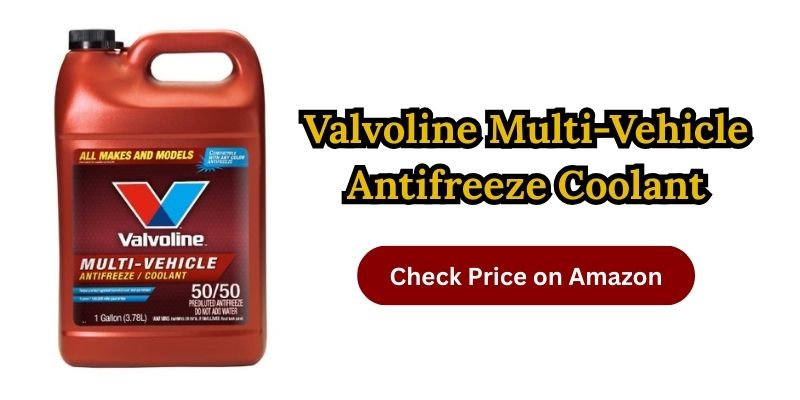
There are different types of coolant available in the market, such as ethylene glycol and propylene glycol. It’s essential to choose the right type of coolant for your vehicle. Refer to your car’s manual or consult with a mechanic if you’re unsure about which type of coolant is suitable for your car.
Check Coolant Mixture:
Another crucial step in preparing for adding coolant is checking the mixture ratio. The recommended mixture ratio for most cars is 50/50, which means an equal amount of coolant and water. However, some cars may require a different ratio, so be sure to check your car’s manual.
Prepare the Vehicle:
Before adding coolant, make sure that the engine is completely cool. Trying to add coolant to a hot engine can result in burns or damage to the engine. Also, make sure that your vehicle is parked on a level surface and has enough clearance for you to access the radiator cap.
Locate Radiator Cap:
The next step is locating the radiator cap. It’s usually located near the front of the engine bay and has a metal or plastic cap with a pressure release valve on top. Some vehicles may have a separate coolant reservoir, in which case you should add coolant to the reservoir instead of the radiator.
Identify Coolant Type:
Make sure that you use the correct type of coolant for your vehicle. Refer to your owner’s manual or check with a mechanic if you’re unsure about which type of coolant is right for your car. Using the wrong kind of coolant can cause damage to your engine.
Add Coolant:
Once you’ve located the radiator cap and identified the correct type of coolant, it’s time to add it to your vehicle. Slowly pour the coolant into the radiator until it reaches the full line or just below it. Be careful not to overfill the radiator as this can cause the coolant to overflow and potentially damage your engine.
Check for Leaks:
After adding coolant, it’s important to check for any leaks in your cooling system. Look under your vehicle for any signs of leaking fluid. If you notice a leak, it’s best to take your car to a mechanic for further inspection and repairs.
How to Add Engine Coolant to Car Step by Step?
Now that you know the importance of engine coolant and how it works in your car, let’s dive into the step by step process of adding coolant to your vehicle.
Step 1: Park Your Car on a Flat Surface
To begin, make sure your car is parked on a flat surface to ensure an accurate reading of the coolant level.
Step 2: Let the Engine Cool Down
Before opening the hood and attempting to add coolant, it’s crucial to allow time for the engine to cool down. This will prevent any potential burns from hot fluids under pressure.
Step 3: Locate the Coolant Reservoir
Open the hood of your car and locate the coolant reservoir. It is typically a translucent plastic tank with markings indicating the minimum and maximum levels of coolant.
Step 4: Check the Coolant Level
Look at the level of coolant in the reservoir. If it is below the minimum mark, you will need to add more coolant.
Step 5: Prepare Your Coolant
Make sure to check your car’s manual for the type and ratio of coolant needed. Prepare your coolant mixture accordingly.
Step 6: Add Coolant
Slowly pour the prepared coolant into the reservoir, making sure not to spill or overfill. Use a funnel if necessary to avoid any spills.
Step 7: Recheck Coolant Level
After adding coolant, recheck the level in the reservoir. If it is still below the minimum mark, add more coolant until it reaches the recommended level.
Step 8: Close and Secure Reservoir Cap
Once you have reached the ideal coolant level, securely close the reservoir cap. Be sure to tighten it properly to avoid any leaks while driving.
What are the Signs of Low Coolant?
If your engine is experiencing overheating, it could be a sign of low coolant. Other signs to look out for include:
- A warning light on your dashboard indicating low coolant
- A sweet smell coming from the engine compartment
- Low or fluctuating temperature gauge readings
- Visible leaks under the vehicle
- White smoke coming from the exhaust pipe
It is important to regularly check your coolant level and top it off as needed to prevent any potential damage to your engine. If you notice any of these signs, it is best to get your vehicle checked by a professional mechanic.
Why is My Engine Coolant Boiling?
Can I Drive With Low Coolant?
Driving with low coolant can be dangerous for your vehicle and should be avoided if possible. While it may seem like a small issue, low coolant can actually lead to serious engine problems if left unchecked.
Firstly, low coolant levels can cause your engine to overheat, which can result in costly repairs or even complete engine failure. This is because the coolant plays a crucial role in maintaining the right temperature for your engine.
Secondly, driving with low coolant can also lead to poor fuel efficiency and lower overall performance of your vehicle. This is because the engine needs the proper amount of coolant to function efficiently and effectively.
Thirdly, low coolant levels can indicate a larger problem with your vehicle’s cooling system. Ignoring low coolant levels can lead to more serious issues such as a leak in the radiator or a faulty water pump. These problems can be costly to repair and can also cause your vehicle to break down unexpectedly.
How Often Should Coolant be Checked and Topped Up?
It is important to regularly check and top up your coolant levels, especially before embarking on long drives or during hot summer months when engines are more prone to overheating. Experts recommend checking your coolant levels every time you refuel your vehicle.
It is also recommended to have a professional mechanic perform a full inspection of your coolant system at least once a year. This will ensure that all components of the system are functioning properly and any potential issues can be addressed before they become major problems.
What Type of Coolant Should I Use?

There are different types of coolant available on the market, and it is important to use the correct type for your vehicle. The most common types of coolants are ethylene glycol-based and propylene glycol-based.
Ethylene glycol-based coolant is the traditional green or yellow-colored coolant that has been used in vehicles for many years. It offers excellent heat transfer properties and provides protection against freezing temperatures. This type of coolant may require replacement every 2-3 years or every 30,000 miles.
Propylene glycol-based coolant, also known as “extended life” or “long-life” coolant, is a newer option that lasts longer than ethylene glycol-based coolants. It typically needs to be replaced every 5 years or every 150,000 miles. Some propylene glycol-based coolants may also come pre-mixed with water, making it easier for vehicle owners to use.
Hybrid organic acid technology (HOAT) coolant is a combination of ethylene glycol and organic acids, offering both excellent heat transfer properties and corrosion protection. It is commonly used in newer vehicles and can last up to 5 years or 150,000 miles.
Organic acid technology (OAT) coolant is another type of extended life coolant that uses organic acids instead of traditional inorganic additives. It is typically dyed orange or red to differentiate from other types of coolant. OAT coolants can last up to 5 years or 150,000 miles and also offer excellent heat transfer and corrosion protection.
Benefits of Extended Life Coolants
Extended life coolants have become increasingly popular in recent years due to their longer lifespan and improved performance compared to traditional coolants. Some of the benefits of extended life coolants include:
- Longer service intervals: With extended life coolant, you can go longer between coolant changes, saving time and money on maintenance.
- Better heat transfer properties: Extended life coolants use advanced technology that allows for better heat dissipation, helping your engine run more efficiently.
- Improved corrosion protection: The organic acids used in extended life coolants are less harsh than traditional additives, resulting in better corrosion protection for your engine.
- Reduced maintenance costs: Due to the longer service intervals and improved performance, extended life coolants can help reduce overall maintenance costs for your vehicle or equipment.
Some extended life coolants are designed specifically for heavy-duty applications, such as commercial trucks and construction equipment. These coolants have even greater benefits, including:
- Increased protection against liner pitting: Heavy-duty engines are more prone to liner pitting due to their high operating temperatures. Extended life coolants that are specifically formulated for these engines provide increased protection against this issue.
- Extended coolant filter life: With regular coolant filters, you may need to change them every 6,000 to 8,000 miles. However, with extended life coolants, you can extend the filter change interval to up to 15,000 miles.
- Reduced maintenance costs: Due to their ability to last longer and provide better engine protection, extended life coolants can help reduce overall maintenance costs for heavy-duty engines.
- Improved fuel economy: By keeping the engine properly protected and operating efficiently, extended life coolants can also improve fuel economy in heavy-duty vehicles.
FAQs on Car Engine Coolant
Q: What is car engine coolant?
A: Car engine coolant, also known as antifreeze, is a liquid used to regulate the temperature of the engine by absorbing and dissipating heat.
Q: Why is it important to use the right type of engine coolant for my car?
A: Using the correct type of engine coolant helps maintain appropriate operating temperatures for your car’s engine, preventing overheating and potential damage.
Q: How often should I check my car’s coolant level?
A: It is recommended to check your car’s coolant level at least once a month. However, it may vary depending on your vehicle’s make and model.
Q: How long to run engine after adding coolant?
A: After adding coolant to your vehicle, it is recommended to run the engine for at least 10-15 minutes. This allows the new coolant to circulate throughout the entire cooling system and ensure that all air pockets are removed. Air pockets can cause uneven distribution of coolant, leading to potential overheating or other issues.
Final Words
Proper maintenance of your car’s engine coolant is essential for the overall health and longevity of your vehicle. It is important to regularly check and top off the coolant level, as well as use the correct type of coolant recommended by your car’s manufacturer.
By taking care of your engine coolant, you can ensure that your car runs smoothly and efficiently for years to come. Remember, when in doubt, consult a professional mechanic for assistance with any issues related to your car’s cooling system. Happy driving!