

To check if a diesel engine is seized, try turning the crankshaft or the flywheel by hand. If it’s difficult or impossible to turn, the engine may be seized.
A seized diesel engine can be caused by various issues such as lack of lubrication, overheating, or mechanical failure. By understanding the signs and symptoms of a seized diesel engine, you can address the problem before it escalates.
This article will provide you with essential information on how to check if diesel engine is seized and troubleshoot a seized diesel engine. This will help you take appropriate action to prevent further damage and ensure the engine’s longevity and performance.
Visual Inspection
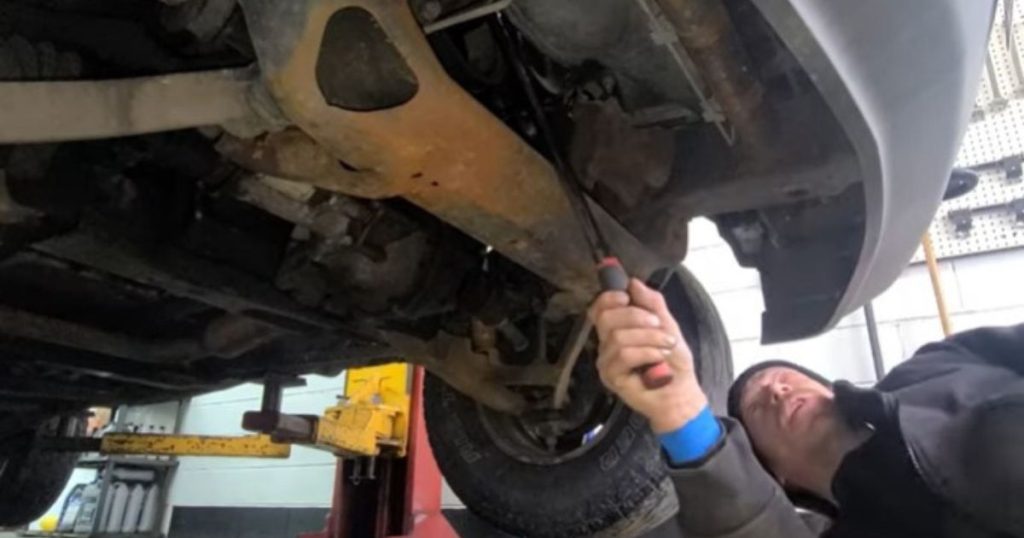
Visual inspection is an essential part of checking if a diesel engine is seized and can provide valuable insights into the engine’s condition. By carefully examining the engine using your eyes, you can quickly identify potential issues and determine if further investigation or repair is necessary.
Check For Oil Leaks
One of the first things you should look for during a visual inspection is any signs of oil leaks. Start by examining the area around the engine and inspect all visible surfaces for oil stains or puddles. These can indicate a faulty gasket, seal, or other internal problem.
Pay close attention to the oil pan, valve covers, and any hoses connected to the engine. If you notice any leaks, it’s crucial to address them promptly to prevent further damage and ensure proper lubrication of the engine’s moving parts.
Inspect For Rust Or Corrosion
Rust and corrosion can severely impact the overall performance and longevity of a diesel engine. During the visual inspection, carefully examine the engine for any signs of rust or corrosion. Check the exterior surfaces, such as the engine block, cylinder head, and other metal components.
Inspect cooling system components, such as the radiator and coolant reservoir, for any signs of rust or corrosion. Rust can weaken the structural integrity of the engine and lead to serious issues if left unaddressed. If you spot any rust or corrosion, it’s crucial to address the problem as soon as possible to prevent further damage.
Look For Loose Or Broken Parts
Another important aspect of the visual inspection is to check for any loose or broken parts. Start by visually scanning the engine to look for anything that appears out of place or damaged. Pay close attention to components such as belts, hoses, and electrical connections.
Ensure that all bolts, nuts, and fittings are tight and secured properly. Check for any visible damage, such as cracks or breakages, in key components like the air intake system or the fuel injectors. Identifying loose or broken parts during the visual inspection can help prevent potential engine malfunction or failure.
How To Improve Diesel Engine Performance?
Listening Test

When checking if a diesel engine is seized, a listening test can provide valuable insights into the engine’s condition. By carefully listening to the engine while attempting to crank it, you can detect any unusual noises or knocking sounds that may indicate a seized engine.
Crank The Engine
Before starting the listening test, attempt to crank the diesel engine. Ensure the battery is fully charged and that the starter motor is in good working condition. Cranking the engine will provide an opportunity to listen for any unusual sounds that may signal a seized engine.
Listen For Unusual Noises
While cranking the engine, listen attentively for any unusual noises that could indicate a seized diesel engine. Pay close attention to any grinding, scraping, or whining sounds that deviate from the normal starting process. Unusual noises could be a sign of internal damage or seizing within the engine.
Pay Attention To Knocking Sounds
During the listening test, be particularly mindful of any knocking sounds emanating from the engine. Knocking noises can suggest issues such as damaged bearings, piston slaps, or other internal problems that may point to a seized diesel engine. By identifying and analyzing knocking sounds, you can gain valuable insights into the engine’s condition.
Why Is The Diesel Engine Knocking? Discover The Preventing Methods!
Engine Block Check
A crucial step in determining if a diesel engine is seized involves assessing the condition of the engine block. By following these procedures, you can effectively check the engine block for any issues:
Remove The Glow Plugs
Before assessing the engine block, it is essential to remove the glow plugs. This allows for easier rotation of the crankshaft and ensures a more accurate examination of the engine’s condition.
Rotate The Crankshaft
Once the glow plugs are removed, carefully rotate the crankshaft. This should be done using a suitable tool to verify if the engine can be turned over smoothly or if it encounters any resistance.
Check For Resistance Or Binding
While rotating the crankshaft, pay close attention to any resistance or binding. If there are signs of difficulty or obstruction, it could indicate potential issues within the engine block that need further inspection.
Compression Test
The compression test is an essential step in checking if a diesel engine is seized. This test helps determine the health and functionality of the engine’s internal components. By measuring the compression pressure of each cylinder, you can identify any issues that could be causing the engine to seize.
In this section, we will walk you through the steps involved in conducting a compression test, providing you with the knowledge to diagnose and address potential problems effectively.
Connect The Compression Gauge
To begin the compression test, you will need to connect a compression gauge to the engine. Locate the fuel injector ports on each cylinder and remove the injectors. Install the compression gauge into one of the injector ports, making sure it is securely connected. Repeat this step for each cylinder to ensure an accurate diagnosis.
Crank The Engine
After connecting the compression gauge, it’s time to crank the engine. Engage the starter motor and turn the engine over several times. This action will allow the compression gauge to measure the pressure in the cylinders. Make sure the engine is warmed up before starting the test to obtain accurate readings.
Note The Compression Reading
Once the engine has been cranked, you can note the compression readings on the gauge. Each cylinder’s reading should be similar, and a significant deviation between cylinders could indicate problems such as worn piston rings or valve leaks. Compare the readings with the manufacturer’s specifications to determine the overall health of the engine.
Proper compression values typically range between 300 to 400 PSI (pounds per square inch) depending on the engine model. If the compression reading falls below the recommended range, it may indicate a compression leak or other cylinder-related issues.
On the other hand, abnormally high compression readings could suggest carbon buildup or a stuck valve. These abnormal readings require further investigation and potential repairs.
Oil Check
To check if a diesel engine is seized, begin by checking the oil. Start by removing the dipstick and inspect the oil level and consistency. A seized engine will often have low or no oil, along with a thick, sludgy appearance, indicating potential issues with the engine.
Inspect The Engine Oil
One of the most crucial steps in checking if a diesel engine is seized is by examining the engine oil. The condition and quality of the oil can provide valuable insights into the overall health of the engine.
To begin, locate the dipstick, usually indicated with a bright-colored handle, and remove it carefully. Wipe the dipstick clean with a cloth or paper towel to remove any residue or impurities.
Check For Metal Bits Or Contaminants
Once the dipstick is clean, reinsert it back into the engine to get an accurate reading. Then, remove it again and carefully inspect the color and consistency of the oil. Healthy engine oil should have a clear, amber color without any signs of cloudiness or discoloration. Look closely for any metal bits or contaminants that may indicate internal engine damage.
Assess Oil Level And Consistency
In addition to examining the oil quality, it is essential to assess the oil level and consistency. While the engine is cold and turned off, dip the clean dipstick back into the oil reservoir and pull it out.
Observe the markings on the dipstick, typically labeled as “Min” and “Max” or indicated by hash lines. Ensure that the oil level falls between these markings, indicating a proper oil level for optimal engine performance.
Next, rub a small amount of engine oil between your fingers to assess its consistency. It should feel smooth and provide proper lubrication. If the oil feels gritty, thick, or sludgy, it may be a sign of contamination or inadequate maintenance. In such cases, it is crucial to address the issue promptly to prevent further damage to the engine.
Fuel System Inspection
When it comes to checking if a diesel engine is seized, a thorough inspection of the fuel system is essential. A malfunctioning fuel system can often be indicative of a seized engine, making it an important area to examine.
With the right steps, you can assess the condition of the fuel filters, fuel lines, and fuel injectors to determine if your diesel engine is seized. Let’s delve into each of these fuel system components to understand how to inspect them.
Check Fuel Filters
To begin your fuel system inspection, start by examining the fuel filters. Faulty fuel filters can limit the flow of clean fuel to the engine and cause problems. Signs of a clogged or damaged fuel filter include poor engine performance, hard starts, and decreased fuel efficiency.
Here are the steps to check the fuel filters:
- Locate the fuel filter, usually found in the fuel line between the fuel tank and the engine.
- Inspect the fuel filter for any signs of dirt, debris, or damage.
- If the fuel filter appears dirty or damaged, it is recommended to replace it with a new one.
Inspect Fuel Lines
Next, you’ll want to inspect the fuel lines. Cracked or leaking fuel lines not only hinder the fuel flow but can also pose a safety risk. A damaged fuel line can cause fuel leakage, leading to potential fires or explosions.
Follow these steps to inspect the fuel lines:
- Locate the fuel lines running from the fuel tank to the engine.
- Check for any visible signs of cracks, leaks, or corrosion along the fuel lines.
- If you notice any damage or suspect a fuel line issue, it is crucial to replace the affected section of the fuel line immediately.
Assess Fuel Injector Function
The fuel injectors play a vital role in delivering the proper amount of fuel to the engine’s cylinders. Malfunctioning fuel injectors can disrupt the fuel-air mixture, resulting in engine issues and potentially a seized engine.
Here’s how you can assess the fuel injector function:
- Start the engine and listen for any abnormal sounds, such as clicking or tapping noises, indicating a possible fuel injector problem.
- Ensure a steady fuel spray pattern from each fuel injector. Irregular spray patterns could point to clogged or faulty injectors.
- If you suspect a problem with the fuel injectors, it is advisable to have them professionally inspected and potentially replaced.
By thoroughly inspecting the fuel system, checking the fuel filters, inspecting the fuel lines, and assessing the fuel injector function, you can gather valuable information about the condition of your diesel engine. Taking these steps will help you determine whether your engine is seized and allow you to take the necessary actions to resolve the issue.
Professional Evaluation
When it comes to checking if a diesel engine is seized, a professional evaluation is often the most reliable option. Mechanics have the expertise and experience to determine the condition of the engine accurately. If you suspect your diesel engine may be seized, here are the steps you should follow for a professional evaluation:
Bring The Vehicle To A Mechanic
The first step is to bring your vehicle to a trusted mechanic. Look for a reputable mechanic who specializes in diesel engines, as they will have the necessary knowledge and diagnostic tools. A qualified mechanic will conduct a thorough inspection to identify any signs of engine seizure.
Request A Comprehensive Engine Diagnosis
During the evaluation, request a comprehensive engine diagnosis. This will involve a series of tests to assess the engine’s condition and determine if it is seized. The mechanic may check for the following indicators:
- Unusual engine noise
- Lack of response when attempting to start the engine
- Difficulty turning the crankshaft manually
- Oil contamination due to coolant or water mixing with the oil
- High pressure or low compression in the cylinders
- Signs of excessive wear or damage on engine components
By conducting a comprehensive diagnosis, the mechanic can provide a clear assessment of the engine’s condition and whether it is seized or not.
Follow The Expert’s Advice
Once the evaluation is complete, it is crucial to follow the expert’s advice. The mechanic will provide you with a detailed report of their findings and recommendations. If the engine is seized, they may suggest repairs or replacement options. Trusting the mechanic’s expertise is essential to ensure the most appropriate course of action is taken.
Credit: www.youtube.com
FAQs For How To Check If Diesel Engine Is Seized?
How Can You Tell If A Diesel Engine Is Seized?
If a diesel engine is seized, it will not turn over when you try to start it, and you may hear a clicking sound or nothing at all.
What Causes A Diesel Engine To Seize?
A diesel engine can seize due to several reasons, such as low oil levels, overheating, or damage to internal components like the pistons or crankshaft.
Can A Seized Diesel Engine Be Repaired?
Yes, in some cases, a seized diesel engine can be repaired. However, it depends on the extent of the damage and the specific issues causing the seizure.
How Much Does It Cost To Fix A Seized Diesel Engine?
The cost to fix a seized diesel engine can vary depending on the severity of the damage and the parts or repairs needed. It can range from a few hundred dollars to several thousand.
How Long Can A Diesel Engine Be Seized Before It Becomes Irreversible?
The timeframe for a seized diesel engine to become irreversible can vary depending on the specific circumstances. It is best to address the issue as soon as possible to avoid further damage.
Are There Ways To Prevent A Diesel Engine From Seizing?
Yes, there are ways to prevent a diesel engine from seizing, such as regular maintenance, ensuring proper oil levels and coolant levels, and addressing any issues promptly. Regular inspections and servicing are key.
Final Words
I think now it is clear how to check if diesel engine is seized and how to troubleshoot a seized diesel engine. By following the simple steps outlined in this blog post, such as checking for unusual noises, verifying oil levels, inspecting the crankshaft, and testing compression, you can identify and address any seizure issues promptly.
Periodic maintenance and regular inspections are key to keeping your diesel engine running smoothly and preventing any potential seizures.