
Few sounds are as disheartening as the hollow click-click-click of an ignition that refuses to turn over. You’re ready to leave for work, head home from the grocery store, or embark on a road trip, and suddenly, you are stranded. A dead battery is one of the most common automotive headaches drivers face, yet many people still feel intimidated by the process of fixing it.
Reliance on roadside assistance services is convenient, but waiting an hour for a tow truck isn’t always an option. Learning how to jump start a car is a fundamental life skill that fosters independence and safety. It transforms a potential crisis into a minor inconvenience.
This comprehensive guide will walk you through the entire process, from gathering the right tools to disconnecting the cables safely. We will also cover troubleshooting tips for when the standard method doesn’t work and maintenance habits to ensure your battery doesn’t catch you off guard again.
Essential Tools for a Successful Jump Start
Before you pop the hood, you need to ensure you have the necessary equipment. While the list is short, the quality of these items matters significantly.
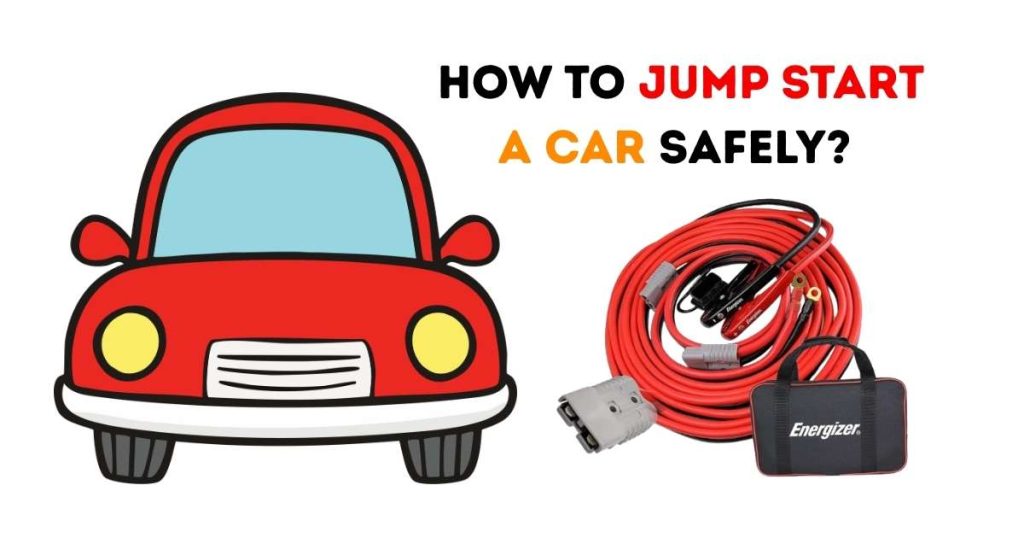
Jumper Cables
Every trunk should contain a set of jumper cables. However, not all cables are created equal. They are rated by “gauge,” which refers to the thickness of the wire. The lower the gauge number, the thicker the wire and the more power it can carry.
- Standard Gauge (6): Suitable for most compact and mid-sized sedans.
- Heavy-Duty Gauge (4 or 2): Necessary for full-size trucks, SUVs, and luxury vehicles with extensive electronics.
- Length: Look for cables that are at least 12 to 20 feet long. You won’t always be able to park the cars nose-to-nose, and extra length provides flexibility.

A Donor Vehicle
You need a vehicle with a functioning battery to provide the jolt of electricity. Ideally, the donor car should be of a similar size or larger than the dead car. Attempting to jump start a large diesel truck with a small economy compact car might not provide enough amperage to turn the engine over.
Portable Jump Starter (Alternative)
Modern technology has given us lithium-ion portable jump starters. These brick-sized devices can hold a charge for months and start a car without needing a second vehicle. If you travel solo often or live in remote areas, this tool is invaluable.
Safety Gear (Optional but Recommended)
- Gloves: To protect your hands from grease, grime, and potential battery acid.
- Safety Glasses: Batteries can emit gases that are harmful to your eyes.
- Wire Brush: Useful for cleaning corrosion off battery terminals to ensure a solid connection.
Critical Safety Measures for Jump Start a Car
Jump starting a car involves handling electricity and explosive gases. While generally safe if done correctly, negligence can lead to injury or damage to the vehicles’ sensitive electronics.
Check the Manual
Always check the owner’s manual for both vehicles before attempting a jump. Some modern luxury cars and hybrids have specific jump-start points under the hood rather than directly on the battery. Others may have electronic systems that require a specific procedure to avoid voltage spikes.
Inspect the Battery
Look closely at the dead battery. Do not attempt to jump start the car if the battery is cracked, leaking, or bulging. A damaged battery can explode if subjected to a sudden surge of power. If you see ice inside the battery (which can happen in freezing temperatures), do not jump it; the battery must thaw first.
Prevent Sparks
Batteries emit hydrogen gas, which is highly flammable. A single spark near the battery can cause an explosion. This is why the connection sequence matters—you want the final spark (which almost always happens upon connection) to occur away from the battery itself.
Remove Metal Items
Remove rings, metal watch bands, and dangling jewelry. If these items touch the battery terminal and a metal part of the car simultaneously, they can cause a severe burn or a short circuit.
Step-by-Step Guide to Jump Starting a Car

Once you have your tools and have verified it is safe to proceed, follow these steps exactly. Do not rush.
1. Position the Vehicles
Park the donor car close enough to the dead car so the cables can reach both batteries comfortably, but do not let the vehicles touch. If the metal frames touch, it could create a dangerous ground path. Engage the parking brakes on both vehicles and put them in Park (or Neutral for manual transmissions). Turn off the ignition in both cars.
2. Identify the Terminals
Pop the hoods and locate the batteries. Identify the positive (+) and negative (-) terminals.
- The Positive terminal is usually larger, marked with a “+”, and often has a red cover.
- The Negative terminal is marked with a “-” and usually has a black cover or no cover at all.
- Note: If the terminals are dirty or corroded (covered in white or greenish powder), use a wire brush or a rag to wipe them clean. Corrosion acts as an insulator and can prevent the jump start from working.
3. Connect the Positive Cable (Red)
Take the red (positive) jumper cable. Attach one clamp to the positive (+) terminal of the dead battery. Ensure the clamp bites into the metal firmly. Wiggle it slightly to ensure a good connection.
4. Connect the Donor Positive (Red)
Take the other end of the red cable and attach it to the positive (+) terminal of the donor (working) battery.
5. Connect the Donor Negative (Black)
Take the black (negative) jumper cable. Attach one clamp to the negative (-) terminal of the donor (working) battery.
6. Connect the Ground (Black) – The Most Important Step
Take the remaining black clamp. Do not attach this to the negative terminal of the dead battery. Instead, attach it to an unpainted metal surface on the dead car’s engine block or frame. A sturdy bolt or a metal bracket works well.
- Why? Connecting directly to the dead battery completes the circuit right at the source of hydrogen gas. If a spark occurs (and it likely will), it could ignite the gas. Connecting to the engine block grounds the circuit safely away from the battery.
7. Start the Donor Car
Start the engine of the working car. Let it idle for a minute or two. This sends a charge into the dead battery. If the dead battery is very old or completely drained, you may want to rev the engine of the donor car slightly (to about 1500-2000 RPM) to increase the amperage output.
8. Attempt to Start the Dead Car
Now, try to start the car with the dead battery.
- If it starts: Great! Leave it running.
- If it doesn’t start: Turn the key off. Let the donor car run for another 5 minutes to build up more charge in the dead battery, then try again.
9. Disconnect the Cables in Reverse Order
Once the dead car is running, do not shut it off immediately. You need to disconnect the cables in the exact reverse order of how you put them on. This prevents shorting the clamps against each other.
- Remove the Black clamp from the grounded metal surface of the previously dead car.
- Remove the Black clamp from the donor battery.
- Remove the Red clamp from the donor battery.
- Remove the Red clamp from the previously dead battery.
10. Keep the Engine Running
Drive the revived car for at least 20 to 30 minutes. This gives the alternator time to recharge the battery. If you turn it off immediately, it likely won’t start again.
Troubleshooting Common Issues
Sometimes, even if you follow the steps perfectly, the car won’t start. Here is what might be happening.
The “Clicking” Sound
If you turn the key and hear a rapid clicking noise, the starter motor isn’t getting enough power. This usually means the connection is loose, or the battery is too far gone to accept a charge.
- Fix: Wiggle the cable clamps to improve the metal-on-metal contact and try again.
The Engine Cranks but Won’t Fire
If the engine is turning over (making a “rur-rur-rur” sound) but won’t catch, the issue might not be the battery. You could be out of fuel, or there could be a problem with the fuel pump or ignition system.
- Fix: A jump start won’t help here. You will likely need a tow.
The Car Dies Immediately After Removing Cables
If the car starts but dies the moment you disconnect the jumper cables, your alternator is likely bad. The battery starts the car, but the alternator keeps it running. If the alternator isn’t charging, the engine will cut out as soon as the external power source is removed.
- Fix: This requires a mechanic to replace the alternator.
Lights Work, but Car Won’t Start
If your headlights and radio work perfectly but the car won’t start, the battery might have a “surface charge” but not enough cranking amps to engage the engine. Alternatively, it could be a faulty starter switch.
Maintenance Tips to Prevent Dead Batteries

While knowing how to jump start a car is useful, avoiding the situation entirely is better.
Drive Your Car Regularly
Batteries lose charge when they sit idle. If you work from home or have a second car you rarely use, drive it for at least 30 minutes once a week to keep the battery topped up.
Keep Terminals Clean
Corrosion increases resistance, making it harder for the battery to pass power to the starter. Periodically check your terminals. If you see white buildup, clean it with a wire brush and a mixture of baking soda and water.
Check Battery Age
Most car batteries have a lifespan of 3 to 5 years. If your battery is nearing the 4-year mark, have it tested at an auto parts store. Many stores offer this service for free. It is better to replace an aging battery on your schedule than to be stranded when it finally fails.
Minimize Parasitic Drain
Ensure you aren’t leaving accessories plugged into the cigarette lighter/power outlet when the car is off. Dashcams, phone chargers, and GPS units can slowly drain power even when the engine isn’t running. Also, double-check that interior lights and headlights are off before walking away.
Frequently Asked Questions
Can I jump start a car in the rain?
Yes, you can jump start a car in the rain. Most car batteries operate at 12 volts, which is not enough to cause electrocution to a human, even in wet conditions. However, try to keep the connection points as dry as possible to prevent slipping, and avoid leaning over the engine if you are soaking wet to prevent slipping into moving parts like the fan belt.
Can I use an electric vehicle (EV) to jump start a gas car?
Generally, no. While EVs have a 12-volt battery to run accessories, they are not designed to provide the high cranking amps needed to start a gas engine. Doing so can damage the EV’s DC-to-DC converter. However, you can use a gas car to jump start the 12-volt battery of an EV if the EV’s accessory battery is dead. Always consult the EV owner’s manual first.
What if the cables start to get hot?
If the jumper cables feel hot to the touch or start to smoke, disconnect them immediately (safety first!). This usually indicates a bad connection, a short circuit, or that the cables are too thin (low gauge) for the amount of power trying to pass through them.
Is it safe to jump start a frozen battery?
No. If the liquid electrolyte inside the battery has frozen, attempting to charge it can cause the plastic casing to crack or the battery to explode. If you suspect the battery is frozen, remove it from the vehicle and let it thaw in a warm area before testing or jumping it.
Be Prepared, Not Stranded
A dead battery is an annoyance, but it doesn’t have to be a disaster. By keeping a quality set of jumper cables in your trunk and understanding the proper procedure, you safeguard yourself against being stranded. More importantly, you equip yourself with the ability to help others who might find themselves in the same silent, frustrating predicament.
Remember the golden rule: Red to dead, red to donor, black to donor, black to ground. Memorize that sequence, keep your connections clean, and maintain your vehicle regularly. With this knowledge, you can get back on the road safely and quickly.
2 thoughts on “How to Jump Start a Car Safely: Step-by-Step Guide”
Pingback: Who Makes Genesis Cars and Why They’re So Popular Now
Pingback: How to Start a Car: A Step-by-Step Guide