
Your car engine is a complex machine, a symphony of metal, air, fuel, and spark. When everything is in tune, your vehicle purrs. But when just one component falls out of rhythm, it can lead to frustrating breakdowns and expensive repairs.
Understanding the health of your engine isn’t just for mechanics. As a driver, recognizing the early signs of trouble can mean the difference between a simple fix and a catastrophic failure. Early detection saves you money, keeps you safe on the road, and extends the lifespan of your vehicle.
Modern engines are marvels of engineering, but they are still prone to wear and tear. From overheating to mysterious noises, engine failures come in many forms. This guide breaks down 15 of the most common car engine problems, helping you identify symptoms early and apply the best solutions to get back on the road.
Common Car Engine Problems And Solutions
Let’s find out 15 most common car engine problems, causes, symptoms and their best solutions.
1. Engine Overheating
Few things are as alarming as seeing steam billow from under your hood. Engine overheating is a critical issue that demands immediate attention. It usually happens when the heat generated by the engine cannot escape properly, causing temperatures to rise to dangerous levels.
Causes and Symptoms
The most frequent culprits are a failure in the cooling system—like a malfunctioning radiator fan, a broken water pump, or a stuck thermostat—or simply low coolant levels due to a leak. You’ll likely see the temperature gauge spike into the red zone, or notice a sweet smell of antifreeze.
Best Solution
If your engine overheats, pull over safely and turn off the engine immediately to prevent warping cylinder heads. Once the engine cools down completely, check coolant levels and look for leaks. If the coolant is full but the engine still overheats, the issue likely lies with the thermostat or radiator, requiring professional inspection.
2. Engine Misfiring
An engine misfire feels like a stumble or a hesitation while you’re driving. Instead of a smooth acceleration, the car might jerk or lose power momentarily. This occurs when one or more cylinders fail to ignite the fuel-air mixture properly.
Causes
The usual suspects are faulty spark plugs or ignition coils. Over time, spark plugs wear out and can’t produce the strong spark needed for combustion. Clogged fuel injectors can also disrupt the fuel supply, leading to a misfire.
Best Solution
How to fix diesel engine misfire? Start by inspecting and replacing old spark plugs. This is often an affordable and easy fix. If the plugs look good, test the ignition coils. Using a high-quality fuel system cleaner can also help unclog injectors and restore smooth performance.
3. Oil Leaks
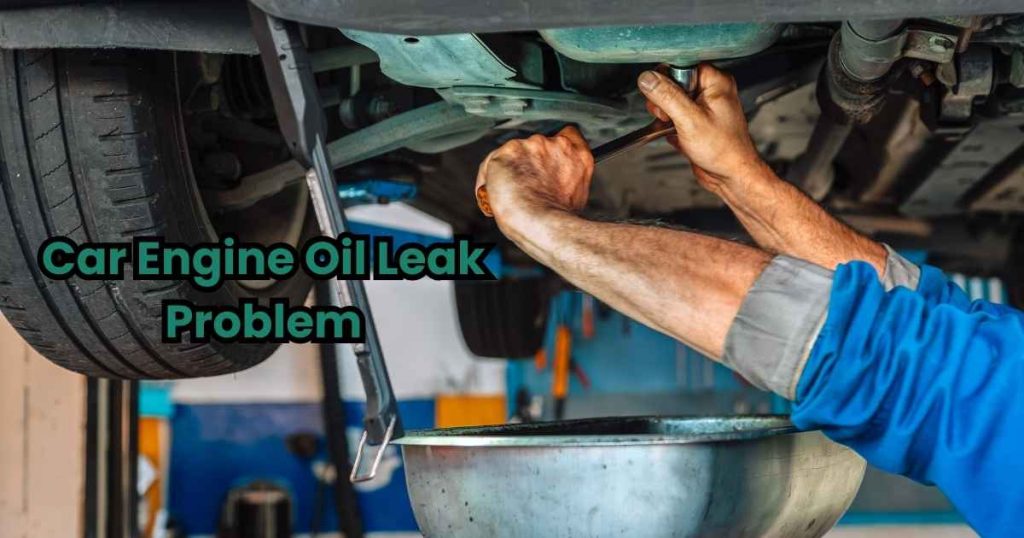
Finding dark puddles on your driveway is never a good sign. Oil is the lifeblood of your engine, reducing friction between moving parts. When it leaks, your engine is at risk of severe damage. Why is my car engine leaking oil?
Common Leak Points
Leaks often originate from degraded gaskets or seals, such as the valve cover gasket, oil pan gasket, or the front and rear crankshaft seals. Driving with low oil levels leads to increased friction and heat, which can seize the engine.
Best Solution
Identify the source of the leak by cleaning the engine and running it for a short period. Minor leaks might be managed with stop-leak additives, but the best solution is to replace the worn gasket or seal. Regularly checking your dipstick ensures you catch leaks before the oil level drops critically low.
4. Rough Idling
When you stop at a red light, your car should hum quietly. If it feels like it’s shaking, sputtering, or bouncing, you have a rough idle. This usually points to an issue with how the engine manages airflow or fuel while at rest.
Causes
A dirty throttle body is a common cause; carbon deposits can prevent the intake valve from closing properly. Vacuum leaks are another major issue, where unmetered air enters the engine, confusing the computer and disrupting the air-fuel balance.
Best Solution
Cleaning the throttle body with a specialized spray is a simple, effective maintenance task. For vacuum leaks, inspect hoses for cracks or listen for a hissing sound under the hood. Replacing damaged hoses usually restores a smooth idle.
5. Engine Knocking or Pinging
Engine knocking sounds like a metallic “pinging” or rattling noise during acceleration. It’s caused by pockets of air and fuel exploding separately from the spark plug ignition, a phenomenon known as pre-ignition or detonation.
Causes
Using fuel with an octane rating too low for your vehicle is a primary cause. Carbon buildup inside the combustion chamber can also increase compression and create hot spots that ignite the fuel prematurely.
Best Solution
Check your owner’s manual for the recommended fuel octane and ensure you are using it. If the problem persists, try a fuel additive designed to remove carbon deposits. Persistent knocking requires a mechanic to check for internal issues like rod knock, which is far more serious.
6. Loss of Engine Power
You press the gas pedal, but the car struggles to pick up speed. A loss of power can make merging onto highways dangerous and indicates your engine isn’t breathing or drinking fuel efficiently.
Causes
This is often due to restrictions. A clogged fuel filter can starve the engine of gas, while a dirty air filter can choke off the oxygen needed for combustion. Sometimes, a clogged catalytic converter restricts exhaust flow, backing up the system.
Best Solution
Replace air and fuel filters regularly as part of standard maintenance. If filters are clean, have a professional check the catalytic converter or fuel pump pressure to ensure the engine is receiving the resources it needs to generate power.
7. Excessive Exhaust Smoke
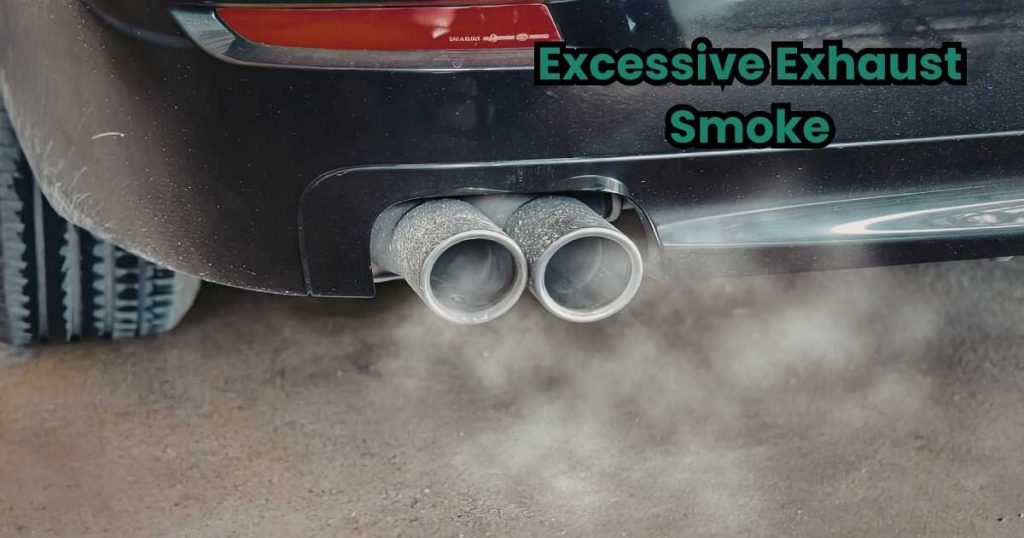
The color of the smoke coming from your tailpipe can tell you exactly what is wrong with your engine.
Smoke Colors and Meanings
- Blue Smoke: Indicates oil is burning in the combustion chamber, likely due to worn piston rings or valve seals.
- White Smoke: usually signals coolant entering the combustion chamber, often caused by a blown head gasket.
- Black Smoke: Suggests the engine is burning too much fuel (running rich), possibly due to a leaking injector or a bad air sensor.
Causes of white smoke in a diesel engine
Best Solution
Diagnose based on color. Blue smoke often requires internal engine repairs. White smoke is urgent; check for a blown head gasket immediately to prevent total failure. Black smoke usually requires tuning the fuel system or replacing sensors.
8. Check Engine Light On
The check engine light is the most misunderstood warning on the dashboard. It doesn’t pinpoint the problem, but it serves as a general alert that the onboard computer has detected a fault.
Causes
It could be anything from a loose gas cap to a failing oxygen sensor or catalytic converter. Ignoring it prevents you from knowing if a minor issue is becoming a major one.
Best Solution
Don’t guess. Use an OBD-II scanner (available at auto parts stores) to read the specific error code. This code will guide you to the exact component causing the issue, whether it’s a sensor replacement or a simple tightening of the gas cap.
9. Engine Stalling
Engine stalling can be scary, especially if it happens in traffic. This occurs when the engine dies suddenly and loses power steering and brakes.
Causes
Stalling is frequently caused by a lack of fuel or spark, but sensor failures are also common. A faulty Mass Air Flow (MAF) sensor or crankshaft position sensor can cut the engine unexpectedly.
Best Solution
If the car stalls, restart it safely. If it happens repeatedly, check fuel pressure and ignition components. Cleaning or replacing faulty sensors often resolves the issue.
Engine surging causes and fixing way
10. Hard Starting or No Start
You turn the key, and… nothing. Or perhaps the engine cranks sluggishly but refuses to catch. Hard starting engine is frustrating and often strikes at the worst times.
Causes
Battery issues are the most common culprit, but if the battery is good, look at the starter motor or fuel delivery system. A failing fuel pump may not prime the engine, while a bad starter simply won’t turn the engine over.
Best Solution
Check battery voltage first. If the battery is charged, listen for the fuel pump humming when you turn the key. If there’s no sound, the pump may be dead. If the engine cranks but won’t start, check for spark and fuel pressure.
11. Poor Fuel Economy
If you find yourself visiting the gas station more often than usual, your engine efficiency has dropped. This hurts your wallet and the environment.
Causes
Old, dirty oxygen sensors can send false data to the computer, causing it to inject more fuel than necessary. Clogged air filters, under-inflated tires, and stuck brake calipers also contribute to poor mileage.
Best Solution
Keep up with tune-ups. Replacing air filters and oxygen sensors can restore fuel economy. Ensuring tires are properly inflated reduces rolling resistance, taking the load off the engine.
12. Engine Vibrations or Shaking
Your car should feel stable. If you feel vibrations through the steering wheel or seat while the car is idling or accelerating, something is unbalanced.
Causes
Worn engine mounts are a frequent cause; these rubber and metal parts hold the engine in place and absorb vibration. If they break, the engine shakes the whole car. Severe misfires can also cause noticeable shaking.
6 causes of car engine shaking during starting
Best Solution
Inspect engine mounts for cracks or breaks. Replacing them will instantly smooth out the ride. If the mounts are solid, revisit the ignition system to rule out misfires.
13. Strange Engine Noises
Engines speak a language of their own. Learning to interpret strange sounds can help you catch problems early.
Sound Identification
- Ticking/Tapping: Often related to low oil pressure or valve train issues (lifters needing adjustment).
- Grinding: Usually indicates a worn bearing or a failing accessory like a water pump or alternator.
- Squealing: Almost always a loose or worn serpentine belt.
Best Solution
Address noises immediately. Check oil levels for ticking. Inspect belts for squealing. For grinding noises, use a mechanic’s stethoscope to isolate the faulty pulley or bearing before it seizes.
14. Engine Backfiring
A loud “bang” or “pop” from the tailpipe is a backfire. It happens when fuel ignites outside the combustion chamber, either in the intake or exhaust manifold.
Causes
This is typically a timing issue or a result of a rich fuel mixture (too much gas, not enough air). It can also be caused by a cracked distributor cap or crossed spark plug wires in older vehicles.
Best Solution
Check the engine timing and ensure spark plug wires are connected in the correct order. Diagnosing air-fuel mixture issues usually involves checking sensors and injectors.
15. Engine Oil Sludge Buildup
Sludge is thick, gel-like oil that clogs engine passages. It’s often called “engine cholesterol” because it restricts the flow of oil, leading to catastrophic damage.
Causes
The primary cause is skipping oil changes. Over time, oil breaks down and collects contaminants. Short trips where the engine doesn’t reach operating temperature can also contribute to moisture buildup, creating sludge.
Best Solution
Prevention is the only real cure. Stick to your oil change intervals religiously. If sludge has already formed, an engine flush might help, but in severe cases, the engine may need to be disassembled and cleaned manually.
Preventive Maintenance Tips
The best way to solve engine problems is to prevent them from happening in the first place.
- Regular Oil Changes: This is the single most important thing you can do. Fresh oil lubricates and cools engine parts.
- Fluid Checks: regularly check coolant, brake fluid, and transmission fluid.
- Filter Replacements: Change air and fuel filters as recommended by your manufacturer.
- Listen and Look: Pay attention to new noises, smells, or leaks.
- Drive gently: Avoid aggressive acceleration until the engine has warmed up.
When to Visit a Professional Mechanic
While DIY fixes are great, some issues require a pro. If your check engine light is flashing (indicating a severe misfire), if you hear loud knocking, or if you see smoke, it’s time to call a mechanic. Repeated overheating or oil pressure warnings are also signs that you need expert help immediately to avoid replacing the entire engine.
Final Words: Maximize Your Engine’s Life
Car ownership comes with responsibilities, but they don’t have to be overwhelming. By staying alert to these 15 common car engine problems, you can act quickly and decisively.
Remember, your car talks to you through sounds, smells, and dashboard lights. Listening to it is the key to a long-lasting vehicle. Regular maintenance isn’t just an expense; it’s an investment in your safety and your car’s future.